
Every Day We Fight reflex actions: Scramble, Overwatch, and Skills
Every Day We Fight reflex actions govern real-time responses during combat turns, granting each squad member one token per round. You spend this token to scramble away from attacks, set up defensive overwatch cones, or activate character-specific counterattacks against advancing Rifters.
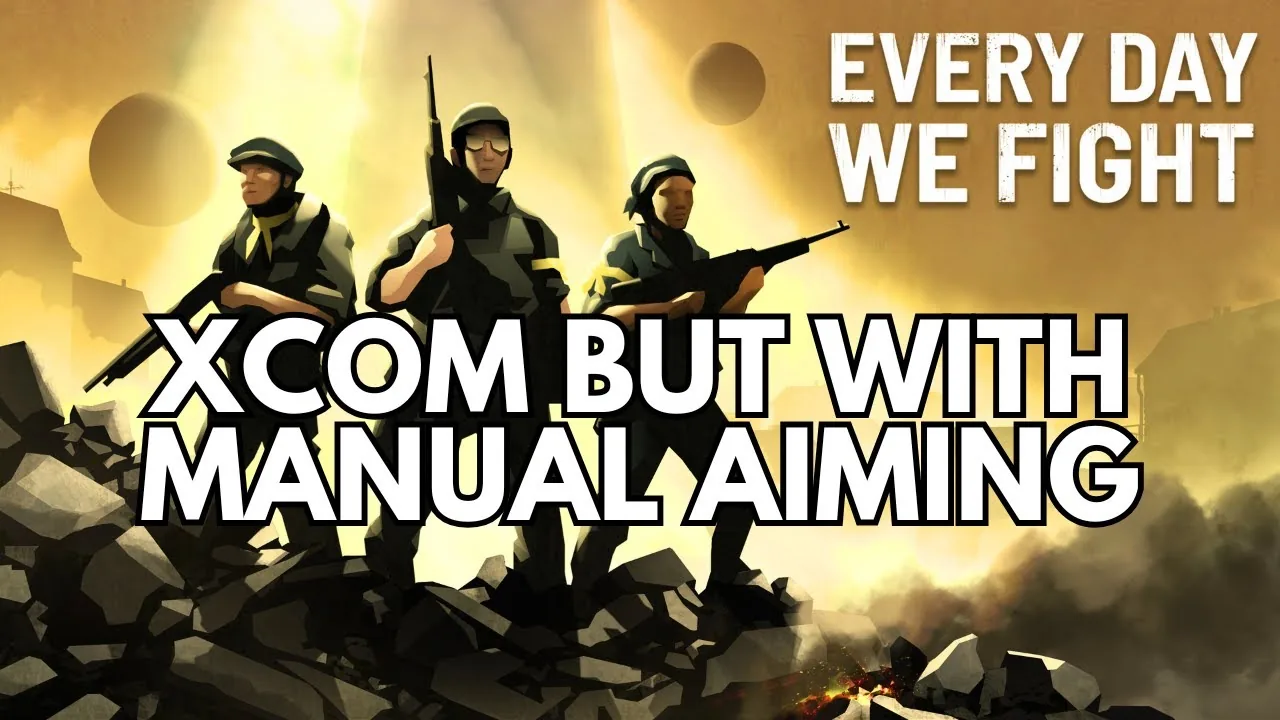
Every Day We Fight reflex actions govern real-time responses during combat turns, granting each squad member one token per round. You spend this token to scramble away from attacks, set up defensive overwatch cones, or activate character-specific counterattacks against advancing Rifters.
How Reflex Tokens Function
Each Thorn receives one reflex action per round alongside their standard action point pool. This single reaction token dictates how a character responds during the enemy phase. The game displays an active reflex indicator near each character's health bar.
Because every unit holds only one reflex token by default, choosing how to spend it requires careful assessment. Activating an offensive reaction or setting an overwatch stance spends that unit's reflex pool up front. When an unexpected grenade arrives later in the same round, a character who already spent their reflex action must remain in place and absorb the impact.
Managing your economy of movement before entering combat helps conserve these tokens. Approaching an encounter through stealth allows you to initiate the fight on your terms with a full supply of action points and unspent reflex tokens ready for defensive maneuvers.
Defensive Scramble Mechanics and Cover
The scramble mechanic allows a character to make a short dash in real time when targeted by enemy fire or incoming explosives. Pressing the reaction prompt triggers slow-motion time dilation, giving you several seconds to steer your character behind solid protection.
Scrambling breaks line of sight against automatic weapon bursts. If an enemy opens fire while your fighter stands partially exposed, scrambling around a concrete barrier causes remaining bullets in the enemy burst to strike the scenery instead. When dodging fragmentation grenades, directional movement carries your fighter outside the lethal red blast radius before detonation.
Cover in the game functions via physical projectile paths rather than artificial dice rolls. Even without full barriers, positioning a character behind a large vehicle protects against incoming rounds, though vehicles possess their own durability meters and explode after sustaining sufficient damage.
The Overwatch Stance and Manual Firing
Setting an overwatch cone costs five action points and consumes the unit's reflex token for that round. When an advancing Rifter crosses into the designated cone, the camera switches into manual aiming mode in slow motion.
Overwatch demands active player control. You track the moving target manually and press the trigger to land hits. Success connects directly to your manual shot placement and your weapon's effective spread. Because ballistics calculate real projectile travel, scoring direct headshots during overwatch deals lethal damage to unarmored targets like basic Engineers.
The trade-off remains significant. Committing to overwatch locks out the scramble mechanic. If an enemy outside your overwatch cone flanks your shooter, that character cannot reposition to dodge the flanking attack.
| Reflex Choice | Ideal Tactical Situation | Trade-off and AP Cost |
|---|---|---|
| Defensive Scramble | Incoming grenades or unexpected flanking fire | Consumes the round's single reaction token, preventing subsequent counterattacks |
| Overwatch Cone | Guarding narrow choke points and doorways | Costs five action points up front and prevents defensive scrambling if flanked |
| Proximity Punch (Dylan) | An enemy enters close-quarters melee range | Leaves Dylan close to enemy lines without a defensive dodge against surviving foes |
| Assist (Vivienne) | An ally leaves a wounded target at critical health | Demands line of sight and expends Vivienne's reaction token for the turn |
| Covering Fire (Leo) | An ally takes incoming suppression or sustained fire | Spends Leo's reaction token and expends assault rifle ammunition |
Character Reflex Abilities
Each playable Thorn possesses a dedicated reflex ability tied to their specific skills guide progression tree. These abilities offer distinct alternatives to standard defensive movement.
Dylan utilizes Proximity Punch. When an enemy approaches Dylan during their turn, the reaction prompt lets him charge forward and deliver an incapacitating strike. This punch knocks the Rifter down for a full turn and punches directly through armor and energy shields. Upgrades in Dylan's skill tree allow Proximity Punch to drop a protective smokescreen, restore health to allies, or grant a second reflex punch per round through the Second Chance talent.
Vivienne wields Assist. When an ally reduces an enemy's health pool to a critical threshold within Vivienne's line of sight, she can spend her reflex token to aim manually and deliver the finishing shot. Equipping long-range rifles from your available weapons lets Vivienne pick off weakened targets across large courtyards while allies advance.
Leo features Covering Fire. When an allied Thorn comes under suppression or heavy fire, Leo can interrupt the attacker by returning fire with his assault rifle. Upgrading this path through the Dead Arm talent applies the Paralyzed Arm status effect, reducing the enemy's available action points on their active turn.
Baiting Enemy Reactions
Rifter troops operate under identical reaction rules. Elite Guardians and Engineers possess reflex tokens marked next to their overhead status bars.
Launching a six-action-point grenade at a fresh Rifter often causes them to trigger a scramble, sprinting clear of the blast zone before the explosive lands. To prevent wasted resources, fire a single low-cost sidearm bullet first. Scoring a hit forces the Rifter to spend their reflex token to reposition. Once their reaction token is depleted, they stand completely vulnerable to follow-up explosives, automatic rifle bursts, or sniper rounds.
Studying enemy equipment before committing your squad ensures clean engagements. Checking armor plates, calculating weapon spread, and understanding your hit chance helps you decide whether to hold reflex tokens in reserve or burn them immediately for rapid eliminations.